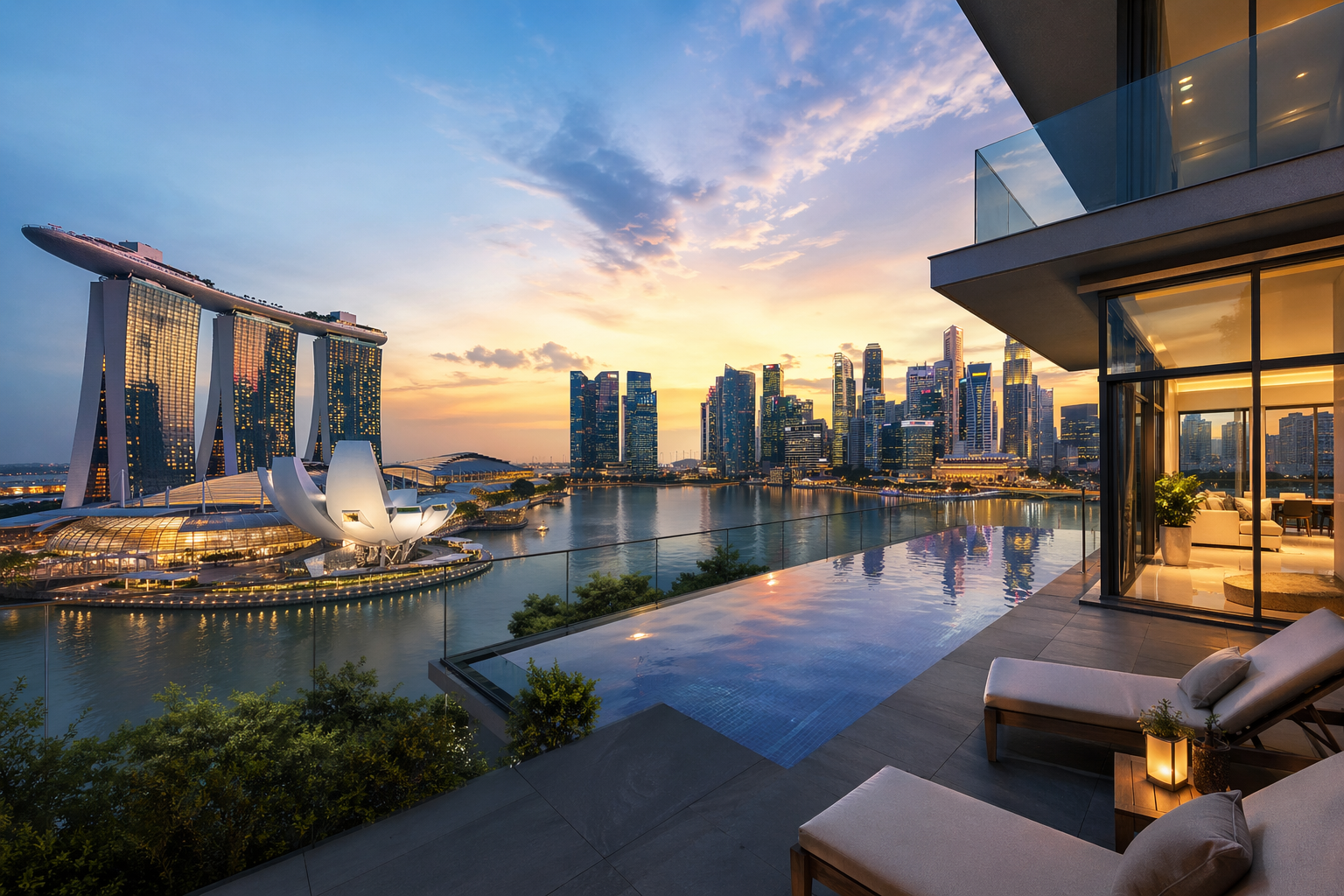
Singapore Property Market in 2026: A Complete Guide to Buying, Investing, and Living in One of Asia’s Most Prestigious Real Estate Hubs
The property market in Singapore has long been recognized as one of the most sophisticated, stable, and desirable in the world. Despite its relatively small land area, the city-state has consistently attracted global investors, expatriates, and high-net-worth individuals who see real estate here as both a secure asset and a symbol of prestige. With a strong legal framework, transparent regulations, and world-class infrastructure, Singapore offers a property landscape unlike any other in Southeast Asia.
This comprehensive guide explores everything you need to know about Singapore’s real estate sector—from housing types and pricing trends to investment opportunities and future outlook. Whether you are a first-time buyer, an international investor, or simply curious about the market, this article will help you understand why Singapore remains a top destination for property ownership.
Understanding the Foundation of Singapore’s Property Market
At the heart of Singapore’s housing system is a carefully designed balance between public housing and private real estate. The government plays a central role in ensuring that housing remains accessible to citizens while also maintaining a vibrant and competitive private property sector.
The Housing & Development Board, commonly known as HDB, is the backbone of public housing in Singapore. Established to address housing shortages in the early years of independence, HDB has evolved into one of the most successful public housing programs globally. Today, over 80 percent of Singapore’s population lives in HDB flats, which are known for their quality construction, efficient layouts, and integrated community planning.
This strong foundation allows the private property market to thrive without the extreme volatility seen in many other global cities. The result is a real estate ecosystem that is both inclusive and investment-friendly.
Types of Properties in Singapore
Singapore’s real estate market is diverse, offering a wide range of property types that cater to different needs, budgets, and lifestyles.
Public Housing (HDB Flats)
HDB flats are the most common type of housing in Singapore. They come in various configurations, including two-room, three-room, four-room, and five-room units, as well as executive flats. These homes are heavily subsidized for citizens and are typically located in well-planned towns with access to schools, transportation, healthcare, and retail amenities.
While HDB flats are primarily intended for owner-occupation, they can also be sold in the resale market after a minimum occupation period. This creates a secondary market that offers opportunities for both buyers and sellers.
Private Condominiums
Private condominiums are a popular choice among expatriates and affluent locals. These properties offer a higher level of luxury and privacy, along with facilities such as swimming pools, fitness centers, landscaped gardens, and 24-hour security.
Condominiums are often located in prime districts or near key business hubs, making them attractive for both living and investment purposes. Areas such as Orchard Road and Marina Bay are especially sought after due to their central location and lifestyle appeal.
Executive Condominiums (ECs)
Executive condominiums are a hybrid between public and private housing. Initially subsidized and subject to certain eligibility criteria, ECs eventually become fully privatized after a set period. This makes them an appealing option for middle-income families who want the benefits of private housing at a more affordable price point.
Landed Properties
Landed properties, including terrace houses, semi-detached homes, and bungalows, represent the pinnacle of property ownership in Singapore. Due to limited land availability, these homes are extremely rare and command premium prices.
Ownership of landed property is generally restricted to Singapore citizens, especially for certain types of landed homes. This exclusivity adds to their desirability and long-term value.
Key Factors Influencing Property Prices
Property prices in Singapore are influenced by a combination of economic, geographic, and policy-related factors.
Location
Location is one of the most critical determinants of property value. Properties in central areas or near major commercial districts tend to command higher prices. Proximity to lifestyle hubs, business centers, and waterfront views can significantly increase a property’s appeal.
Connectivity
Singapore’s efficient public transport system plays a major role in shaping property demand. Homes located near MRT stations or major expressways are highly desirable, as they offer convenience and reduced travel time.
Government Policies
The Singapore government actively manages the property market through policies such as stamp duties, loan restrictions, and cooling measures. One notable example is the Additional Buyer’s Stamp Duty (ABSD), which imposes higher taxes on foreign buyers and investors purchasing multiple properties.
These measures are designed to prevent speculation and maintain long-term market stability.
Economic Conditions
As a global financial hub, Singapore’s property market is closely tied to its economic performance. Factors such as employment rates, foreign investment, and currency strength all influence property demand and pricing trends.
Recent Trends in the Singapore Property Market
In recent years, the Singapore property market has shown remarkable resilience. Despite global economic uncertainties, demand for housing has remained strong, driven by both local buyers and international investors.
Post-Pandemic Recovery
After a brief slowdown during the COVID-19 pandemic, the market rebounded بسرعة, with increased interest in larger homes and properties that offer flexible living spaces. Remote work trends have also influenced buyer preferences, with many seeking homes that can accommodate home offices.
Rise of Smart and Sustainable Homes
Sustainability has become a key focus in Singapore’s real estate sector. Developers are increasingly incorporating green building practices, energy-efficient systems, and smart home technologies into their projects.
These features not only reduce environmental impact but also enhance long-term property value.
Digital Transformation
The property industry in Singapore has embraced digital innovation, with virtual tours, online transactions, and data-driven insights becoming standard practices. This has made the buying and selling process more efficient and accessible.
Why Invest in Singapore Real Estate?
Singapore offers several compelling reasons for property investment, making it a top choice for global investors.
Political and Economic Stability
Singapore is known for its strong governance, low corruption, and stable political environment. These factors create a safe and predictable investment climate.
Transparent Legal System
The country’s legal framework ensures that property rights are well protected. Transactions are conducted transparently, reducing the risk of disputes or fraud.
High Rental Demand
With a large expatriate population, there is consistent demand for rental properties, particularly in central locations and near business districts.
Long-Term Appreciation
While property prices in Singapore are relatively high, they have shown steady long-term growth. This makes real estate a reliable asset for wealth preservation.
Challenges and Considerations
Despite its many advantages, buying property in Singapore comes with certain challenges.
High Entry Costs
Property prices in Singapore are among the highest in Asia. In addition to the purchase price, buyers must also consider taxes, legal fees, and maintenance costs.
Restrictions on Foreign Buyers
Foreigners face stricter regulations, especially when it comes to purchasing landed properties. Additional taxes also increase the overall cost of investment.
Market Competition
The limited supply of land means that competition for prime properties can be intense. Buyers often need to act quickly and decisively.
The Future of Singapore’s Property Market
Looking ahead, the Singapore property market is expected to remain strong and resilient. Continued urban development, infrastructure improvements, and government planning will support long-term growth.
New projects in emerging districts, as well as redevelopment initiatives in older areas, are likely to create fresh opportunities for buyers and investors.
Sustainability and technology will also play a bigger role, shaping the next generation of homes in Singapore.
Conclusion
Singapore’s property market stands as a model of stability, innovation, and strategic planning. From its robust public housing system to its luxurious private developments, the city-state offers a wide range of options for homeowners and investors alike.
While the high cost of entry and regulatory environment may pose challenges, the long-term benefits of owning property in Singapore are undeniable. With its global reputation, strong economic fundamentals, and forward-thinking policies, Singapore continues to be one of the most attractive real estate markets in the world.
For those seeking a secure and prestigious investment, Singapore real estate remains a compelling choice offering not just a place to live, but a gateway to long-term financial growth and stability.
